March 16, 2026

New Zealand’s Life Science Opportunity: Clearing the Path from Research to Reality

Insights from the 2026 Life Sciences Summit roundtable discussion hosted by the Biotechnologies Group, bringing together more than 100 leaders across science, industry and policy.

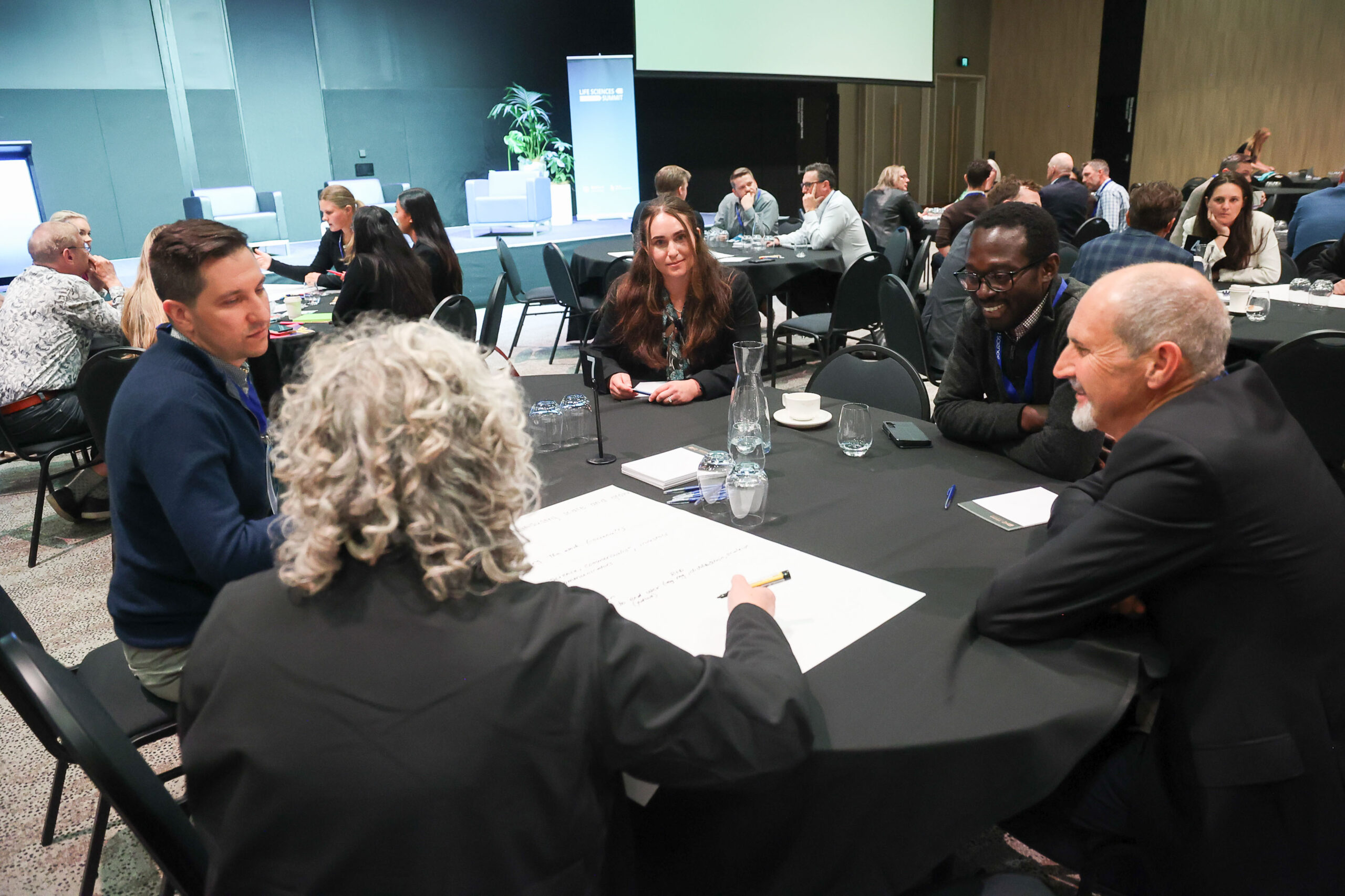
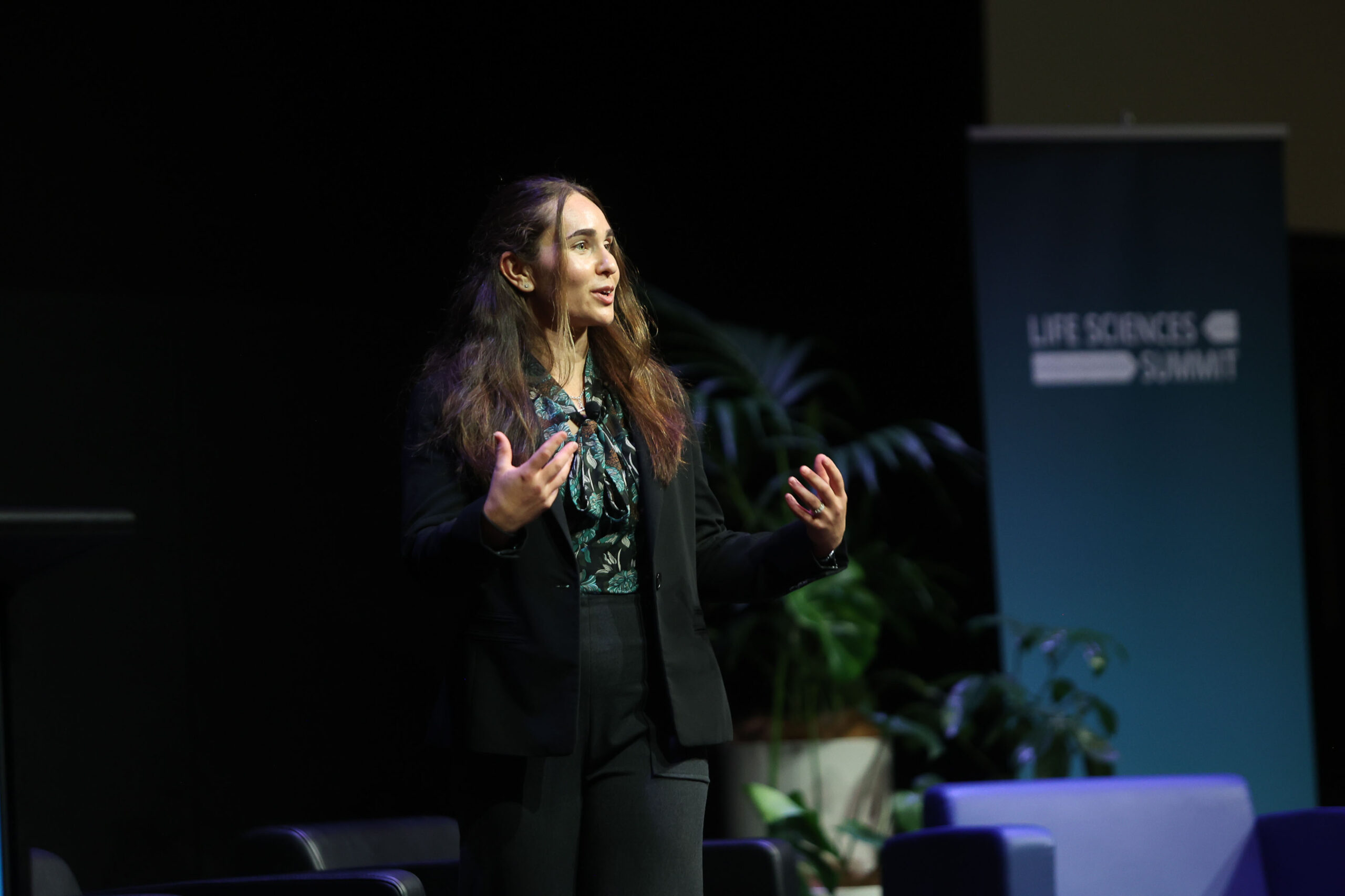
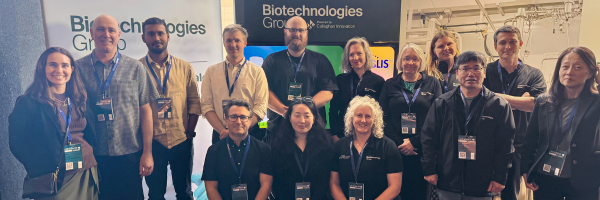
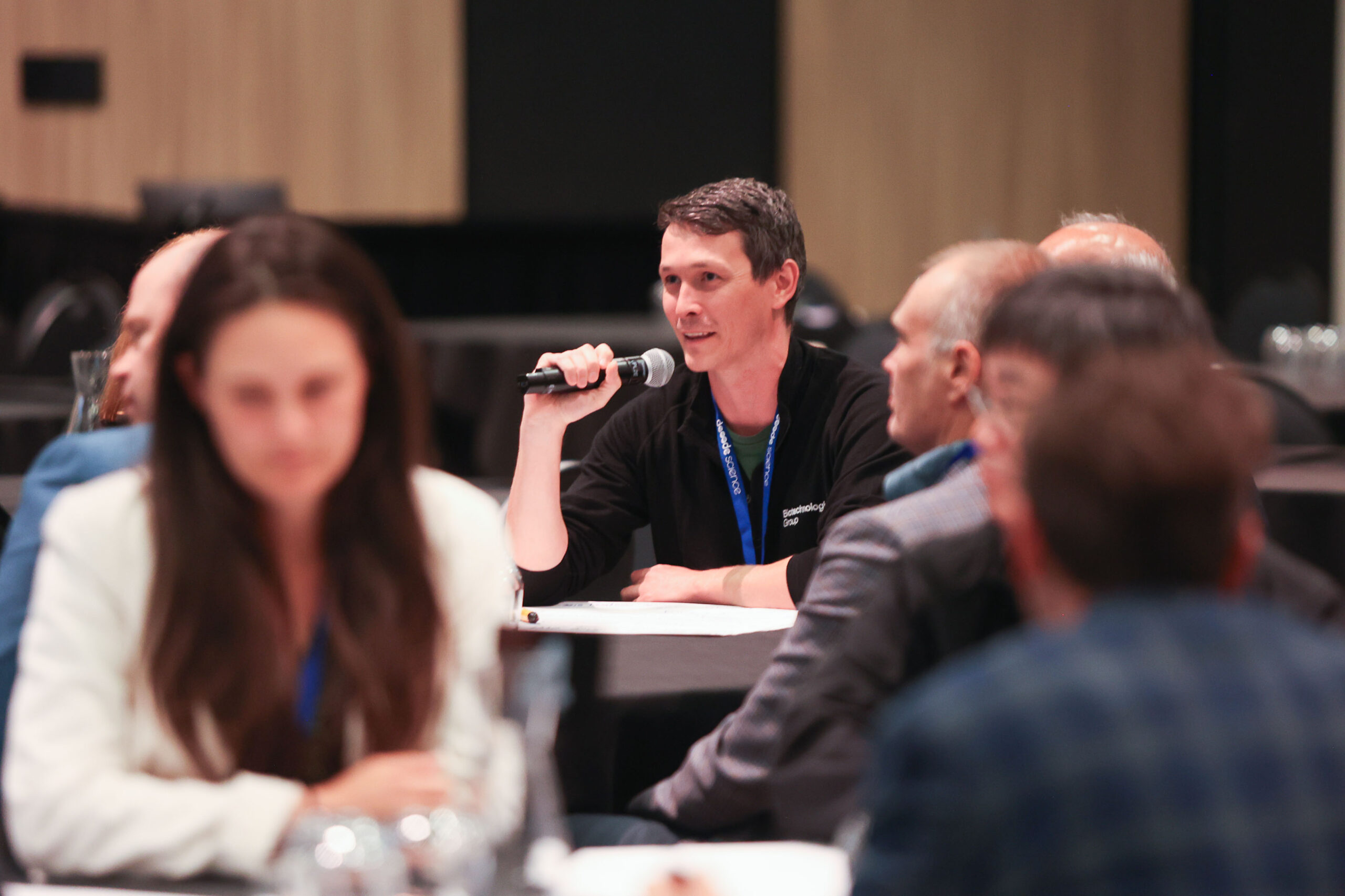
Scaling innovation from research to commercial success in New Zealand is hard. At the Life Sciences Summit, Ella Reshef and the Biotechnologies Group team explored the obstacles and solutions that could transform our life science industry during a roundtable discussion with over 100 leaders, experts, scientists, policy makers, commercialisation professionals and operators.

Success factors

We first asked those leaders to define the factors that have accelerated past success, and two levers were clear: a validated market and money. These are crucial for any business to succeed – there needs to be real demand for a product, and investment to build it.

If we look deeper into what successful life science companies have in common, however, we see other important enablers: strong science foundations and disciplined strategy, executed by highly skilled people, in collaboration with the right partners.

Successful companies also have external support: access to technical and commercial capability, enabling regulations, IP protection and brand visibility are crucial.

New Zealand itself also has some huge advantages: world-class R&D, a beautiful country that attracts talent from around the world, ranked one of the top countries in the world to do business, and access to quality bioresources.

What’s stopping our life science industry from thriving?

When over 100 leaders and experts in the life science industry convene to share their lived obstacles in scaling science and innovation, what do they say? It’s clear there are both internal company challenges and greater systematic obstacles blocking companies from successfully scaling innovation.

New Zealand’s risk-averse culture is one factor that blocks our pathway to scale. We heard that our conservative regulations make it harder to commercialise here than to go offshore. Capital constraints also affect willingness to take true innovation risks, leading to incremental innovation, instead of breakthroughs. Combined with high equity stakes at early venture capital stages (sometimes up to 40% at seed rounds), this slows the fundamental driver of progress – trying and failing.

New Zealand has top-rated science, engineering and medical schools internationally. But our talent pool is dwindling. Why? Two reasons: early-career talent can go abroad for better career progression, and technical experts may not be learning the translational skills to succeed in the commercial world.

There are small pockets of influence working to overcome this mismatch between education and industry. MBIE’s applied PhD scheme is a helpful start, as is the successful Bioscience Enterprise degree at the University of Auckland. However, talent capability remains a major bottleneck, pointing to a systematic failure to invest in people ready for commercial innovation.

Our limited domestic market and distance to export markets were identified by many experts as constraining scale-up. Our small size could be put to our advantage, and yet dispersed infrastructure, lack of innovation clusters and ecosystems, and fragmented support were also identified as barriers to success.
Clearing the obstacles to create the life science industry we all want

So, what would truly enable New Zealand life science companies to scale innovation? Well, there certainly isn’t just one magic solution.

Innovation is created by people, and we must invest in developing technically and commercially capable people. Our educational institutions and workplace recruitment and training must keep up with the pace of change and needs in biotechnology. This could be implemented by industry and universities coordinating projects and courses together to ensure the workforce is appropriately trained, along with creating opportunities for talent to develop international networks.

To turn science into a scalable business in New Zealand, access to expertise and infrastructure is a clear need. No one can do everything alone. At the Biotechnologies Group, we have pilot-scale infrastructure that bridges the gap between lab bench and manufacturing to enable companies to iterate products, ensure economics are favourable, and develop processes for larger manufacturing volumes. Building expertise and infrastructure partnerships early will pay off in capability, speed and scale later.

International connections and partnerships must also be built to access global markets and understand our customers – and our competition. At the national scale, this can be supported by strategic positioning and a long-term vision for New Zealand science and technology, along with stable cross-party policy and investment consistency.

Our neighbours in Australia have a large ecosystem of biotech clusters that we should connect with. New Zealand needs similar visible focal points for scale-up.  The strategic creation of innovation ecosystems and clusters – including established companies, start-ups, funders, regulators and research institutes – is a well-established growth accelerator.

All of this must be underpinned by a long-term national biotechnology strategy, developed by the industry itself. The formation of the Bioeconomy Science Institute will bring a large pool of researchers together to identify and align with science priorities. The Biodiscovery platform, which aims to create high-value pharmaceuticals and nutraceuticals from bioactives in native species, is a promising start.

There is no shortage of ambition in the life sciences industry. By looking at success in the past and defining solutions to our current obstacles, we can create a thriving industry in New Zealand.

The Biotechnologies Group partners with industry to transform bio-based resources into high-value products. Through unique combinations of applied science and engineering scale-up expertise, we help businesses translate innovation into market ready solutions.

We operate at pilot to semi-commercial scale, providing access to facilities and specialist teams so production can scale up with fewer overheads and less risk. We work across multiple sectors: health, food and beverage, agritech and horticulture.

The Biotechnologies Group is scheduled to join the Bioeconomy Science Institute by the 30th June 2026.

Life Sciences Summit 2026: From World‑Class Science to Real‑World Impact
16Mar

Life Sciences Summit 2026: From World‑Class Science to Real‑World Impact

The Life Sciences Summit 2026 brought together New Zealand’s life sciences community for two energising…

New Zealand’s Life Science Opportunity: Clearing the Path from Research to Reality
16Mar

New Zealand’s Life Science Opportunity: Clearing the Path from Research to Reality

Insights from the 2026 Life Sciences Summit roundtable discussion hosted by the Biotechnologies Group, bringing…

Staying Ahead of Resistance: Why Choice and Innovation Matter for New Zealand Farming
02Mar

Staying Ahead of Resistance: Why Choice and Innovation Matter for New Zealand Farming

Farmers are constantly walking a tightrope. They must protect crops from weeds, insects and disease,…

Tākina Convention & Exhibition Centre