Life Sciences Summit 2026: From World‑Class Science to Real‑World Impact
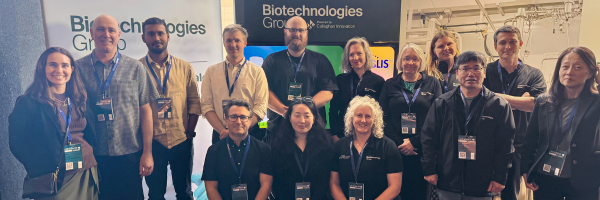
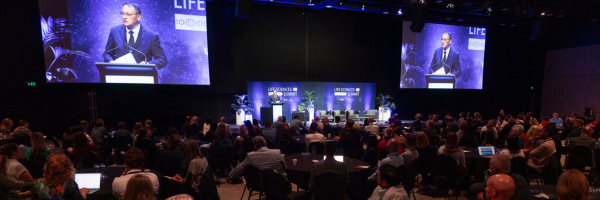
The Life Sciences Summit 2026 brought together New Zealand’s life sciences community for two energising…

The Life Sciences Summit 2026 offered valuable insights for New Zealand’s agritech sector – drawing from discussions across human health, biosecurity, advanced manufacturing, AI, and frontier science. A clear theme emerged: the future of agriculture will be shaped by convergence, execution, and systems‑level thinking.
One of the strongest takeaways was that data is now a strategic asset. Across sessions – from AI and quantum technologies to biosecurity and health – speakers emphasised that high‑quality, interoperable data underpins better decision‑making. For agriculture, this translates to improved land‑use planning, earlier disease detection, smarter input application, and stronger biosecurity responses. However, fragmented systems and inconsistent standards remain a barrier to scaling these benefits.
Another consistent insight was that execution, not innovation, is the limiting factor. Whether in animal health, therapeutics, or manufacturing, panellists reinforced that regulatory readiness, infrastructure, and early design decisions determine long‑term success. For agritech companies, this highlights the importance of building for scale from day one – particularly when operating in regulated, export‑driven markets.
AI featured throughout the Summit as an enabler already delivering impact across sectors. Importantly, discussions moved beyond hype to practical use cases, governance, and trust. For agriculture, AI’s value lies in augmenting expertise – supporting farmers, advisors, and policymakers rather than replacing them. Adoption depends as much on people, skills, and confidence as it does on technology.
Biosecurity was repeatedly framed as both a scientific and economic priority. The Summit reinforced that proactive investment in detection, modelling, and prevention technologies is essential to protecting New Zealand’s productive base and global reputation.
Finally, sustainability emerged as a cross‑cutting theme. From biotech and synthetic biology to future‑ready infrastructure, speakers highlighted that productivity and environmental outcomes must advance together – enabled by precision tools, automation, and long‑term systems thinking.
The overarching message for agritech was clear: New Zealand has the science, data, and agricultural expertise to lead globally. The opportunity now lies in aligning these strengths, accelerating adoption, and scaling what works – across the entire bioeconomy.
The Life Sciences Summit 2026 brought together New Zealand’s life sciences community for two energising…
Insights from the 2026 Life Sciences Summit roundtable discussion hosted by the Biotechnologies Group, bringing…

Farmers are constantly walking a tightrope. They must protect crops from weeds, insects and disease,…